

Gros.Œuvre is a Mediterranean label based in Marseille.

G.Œ is a Mediterranean label based in Marseille, at the heart of La Friche la Belle de Mai, relying on a network of local and international collaborators. We specialize in musical and cultural creation, publishing, and artistic management. Rooted in the current avant-garde scene, the label explores the nuances of bass, trap, and all forms of electronic music, enriched by musical influences from North Africa and the Middle East. Gros:Œuvre highlights the diversity and dynamism of artists from the MENA region and beyond, while deconstructing stereotypes and celebrating the depth of cultures.
NEWS
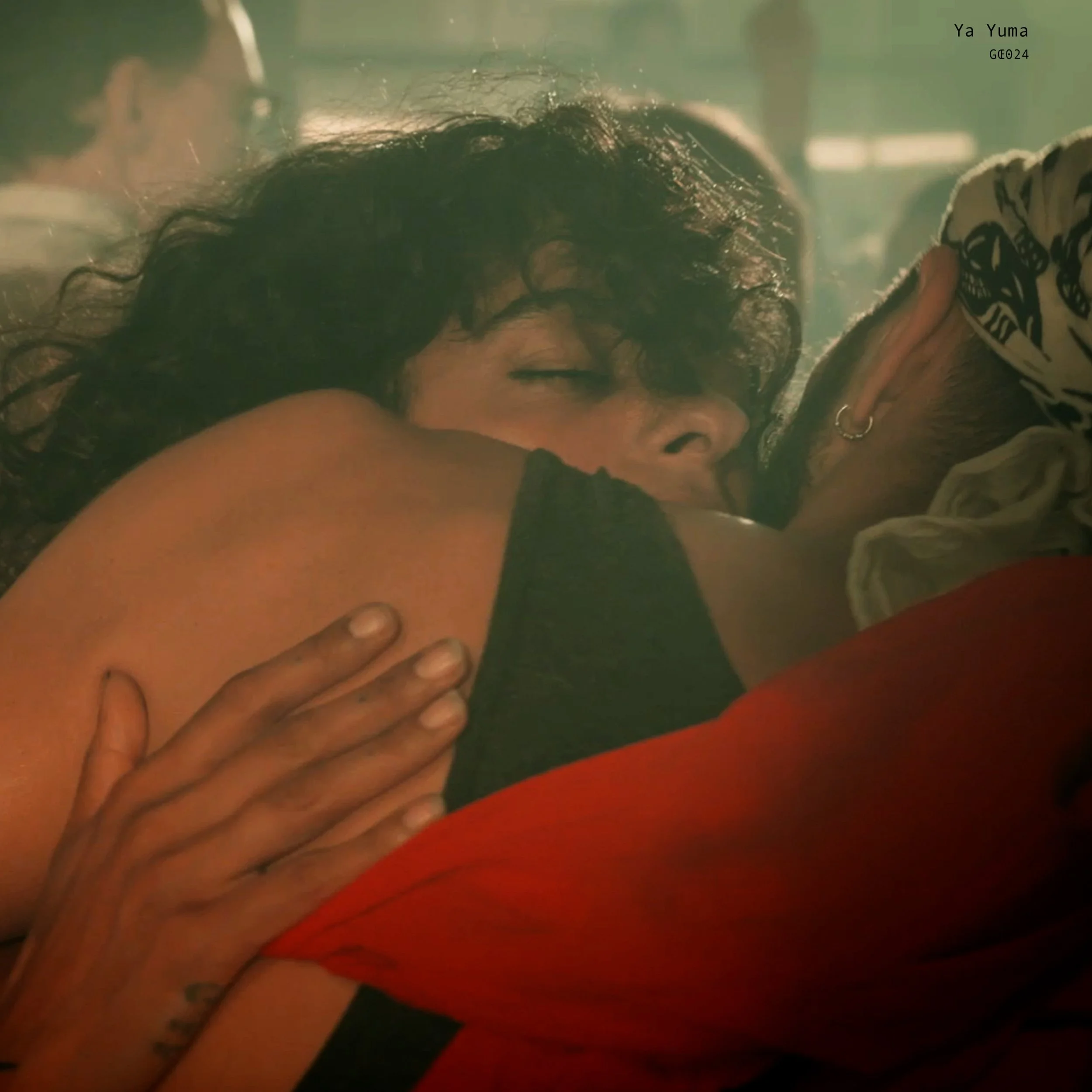
Rayess Bek “Ya Yuma” out June 26th | Koumiya “koumiya كُمِّية” EP out
-
Lebanon, Marseille
Label, Distrib
“Ya Yuma” feels like a dream spoken from inside a wound that refuses to close. It moves through deep, slow dark and warm electronics, while the voice of Nancy Naser Al Deen rises like something both fragile and unbreakable, repeating words that sound less like lyrics than like memory trying to stay alive.
At its core, the song circles Gaza as an echo carried through breath, distance, and time. The production by Rayess Bek holds everything in suspension: heavy yet weightless, intimate yet vast.
Wael KOUDAIH (aka Rayess Bek) is a Franco-Lebanese composer, performer and artist, a pioneer of Arabic hip-hop in the early 2000s. Through his work, he explores the cultural memory of the Arab world by weaving together audiovisual archives, electronic music and critical storytelling.
-
Morocco, Marseille
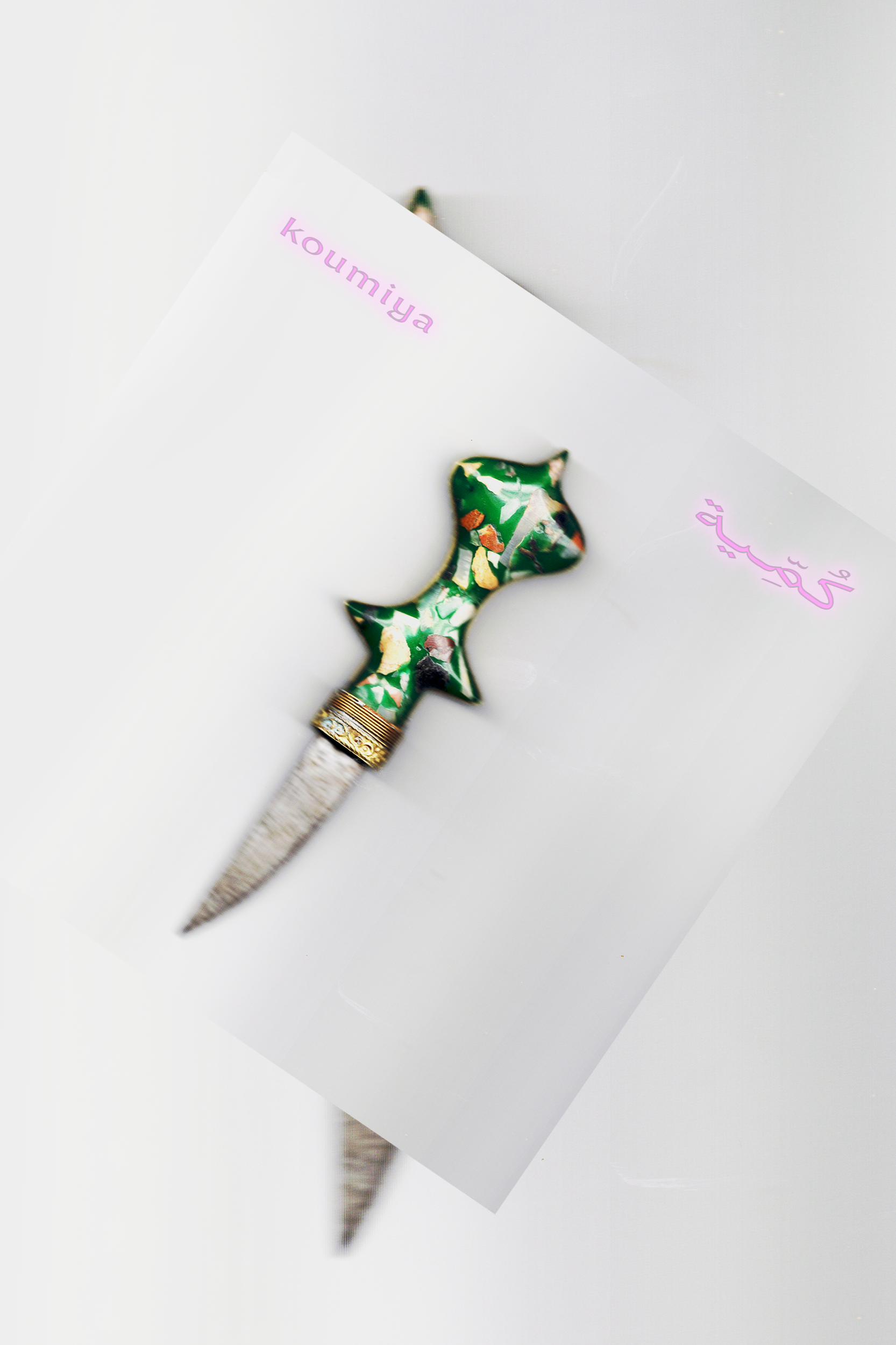
Label, PublishingKoumiya embodies the many faces of a diasporic identity in tension. Through his self-titled debut EP, the artist explores and reclaims a North African heritage long relegated to the margins, seeking to trample the stereotypes and lingering colonial imaginaries that persist.
Between collective uprisings and introspective poetry, between defiance and vulnerability, Koumiya navigates a hybrid soundscape where Darija, Arabic, French, and English intertwine. Influences merge without hierarchy: rap, drill, bass music, dub, dream pop, and footwork converge to create a distinctly diasporic sound, carried by voices that deliver an emancipatory and combative form of poetry.
The name itself, Koumiya, refers to the traditional dagger predominantly worn by Imazighen peoples. Both ornament and weapon, a symbol of tribal belonging, it is traditionally passed down from father to son. This transmission was broken within the artist’s family history, turning this musical project into an act of reappropriation and remembrance.